Find Wood Frame Kids Leather Sofa for Home, Nursery, Kindergarten
Explore 30 wood frame kids leather sofa options to compare materials, dimensions, and customization features. This sourcing guide helps buyers evaluate styles and specifications for preschool and home environments; compare the available evidence and request quotations based on your requirements.
Key considerations
Products List






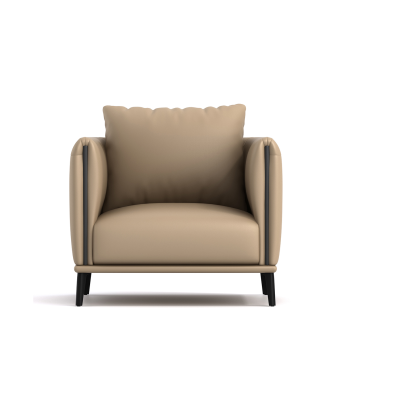


Comprehensive Sourcing Guide
Wood Frame Kids Leather Sofa Sourcing Guide
Procuring wood frame kids leather sofas requires balancing durability with the specific safety needs of young children. The market offers distinct variations where some units feature synthetic leather while others utilize genuine leather, each presenting different maintenance profiles and cost structures. Buyers must carefully distinguish between these material options, as the choice directly impacts the product's longevity and suitability for high-traffic environments like kindergartens or home nurseries.
The structural integrity of these units often relies on a wooden frame, which provides the necessary stability for active play. However, the supply chain presents a mix of conditions, ranging from brand-new inventory to used items, necessitating rigorous inspection protocols before finalizing any purchase order. Understanding the specific condition and material composition is the first critical step in ensuring the furniture meets the operational demands of the intended setting.
Product Scope and Observed Listing Signals
The available inventory demonstrates a wide price spectrum, ranging from approximately 13.9 to 20,000 USD, reflecting significant differences in material quality and manufacturing complexity. This variance suggests that buyers will encounter both budget-friendly options made with synthetic materials and premium pieces constructed with genuine leather and extensive customization. It is essential to correlate the listed price with the specific material claims to avoid overpaying for lower-grade components or underestimating the cost of high-end finishes.
Listing signals indicate that customization is a standard feature, allowing for tailored dimensions and color options such as white, orange, or yellow to match specific interior designs. While some models are designed with low backs and no armrests, others include armrests and medium backs to provide better support for growing children. Buyers should verify that the specific model selected aligns with the physical requirements of the target age group, as the product scope includes diverse configurations from simple chairs to larger sofa units.
Technical Specifications to Verify
Dimensional accuracy is paramount when selecting furniture for children, as the supplied data reveals a variety of standard sizes ranging from compact units to larger configurations. Specific models are listed with precise measurements, such as 59x58x52 cm or 840x440x480 mm, which must be cross-referenced against the available space in the intended room. Verifying these exact specifications ensures that the furniture fits the designated area without obstructing movement or creating safety hazards in the play environment.
The construction details vary significantly, with some units featuring sponge padding for comfort while others may lack specific storage solutions. Buyers must confirm whether the selected model includes storage capabilities or if it is designed strictly for seating, as this impacts the functional utility of the piece. Additionally, the presence or absence of armrests and the specific back height must be validated against the ergonomic needs of the children who will be using the furniture daily.
Compliance and Safety Documentation
Safety standards are a critical consideration, with some listings referencing fire retardant standards such as ANSI E, which is vital for preventing fire hazards in educational or public settings. While specific certification details like FSC or OEKO-TEX appear in background data, buyers should explicitly request current test reports to confirm that the wood frame and leather materials meet the required safety thresholds for hazardous substances. Relying on general claims without verified documentation can expose the organization to significant liability risks.
Warranty terms also vary across the market, with some suppliers offering one-year coverage while others provide two years of protection against manufacturing defects. This discrepancy highlights the need to scrutinize the warranty time and scope before signing a contract, ensuring that the supplier stands behind the durability of the wood frame and the integrity of the leather upholstery. A robust warranty serves as a key indicator of the manufacturer's confidence in their product quality and their commitment to long-term support.
Cost Drivers and Commercial Terms
The total cost of ownership is influenced by several factors, including the choice between synthetic and genuine leather, the complexity of the wooden frame construction, and the level of customization required. Customization options such as specific colors or dimensions can increase the unit price, while standard models may offer more competitive pricing. Buyers should analyze the trade-off between initial cost and long-term durability, as higher-quality materials often result in lower replacement frequency and reduced maintenance expenses over time.
Commercial terms regarding packaging and shipping are equally important, as products are typically packed in export standard cartons or custom packaging solutions. The observed minimum order quantities range from one to 200 units, allowing flexibility for small nurseries or large institutional buyers. Understanding the MOQ requirements and the associated lead times is essential for effective inventory planning, ensuring that the furniture arrives in time for the start of the academic year or the launch of a new facility.
Supplier Qualification and Quality Control
Supplier qualification should focus on their ability to provide OEM and ODM services, which indicates a capacity to adapt products to specific client needs. The presence of service options like OEM and ODM suggests that the manufacturer has the technical expertise to modify designs, but buyers must verify their track record in delivering consistent quality across different batches. A supplier's willingness to accommodate custom requests is a positive signal, but it must be backed by a proven history of meeting strict quality benchmarks.
Quality control processes must be rigorously evaluated, particularly regarding the condition of the wood frame and the finish of the leather. Since the market includes both new and used items, buyers should insist on detailed inspection reports that confirm the structural soundness of the frame and the absence of defects in the upholstery. Establishing clear quality acceptance criteria before production begins helps prevent disputes and ensures that the delivered furniture meets the expected standards for safety and aesthetics.
Long-Term Procurement Checks
Sustainability and maintenance requirements should be assessed early in the procurement process, as washable features and material durability directly impact long-term operational costs. Some products are listed as washable, which is a significant advantage for maintaining hygiene in environments where children are present, while others may require specialized cleaning procedures. Buyers should verify the washability claims and ensure that the maintenance protocols align with the facility's existing cleaning capabilities and resources.
Future scalability is another critical factor, as the procurement strategy should allow for the expansion of furniture sets without compromising design consistency. The availability of color options and the ability to source matching models with similar specifications will facilitate easy expansion of the furniture inventory. Planning for future needs ensures that the initial investment remains relevant and that the facility can grow its seating capacity seamlessly as the number of children increases.
FAQs
What materials are used for the frame and upholstery of these sofas?
The frame is constructed from wood, while the upholstery options include fabric, synthetic leather, and genuine leather. This combination provides structural stability and a durable surface suitable for children's furniture applications in various settings.
Can I request custom colors or specific dimensions for the sofa?
Yes, customization is available for both color and specific requirements. Buyers can select from colorful options or specific shades like white, orange, and yellow. OEM and ODM services are supported, allowing for tailored designs to meet specific project needs.
What is the typical warranty period for these children's furniture items?
The warranty time varies by specific product model, with options ranging from one year to two years. This coverage period reflects the manufacturer's confidence in the durability of the wood frame and upholstery materials used in the construction.
Are these sofas suitable for kindergarten and preschool environments?
Yes, the application scope explicitly includes kindergartens, preschools, nurseries, and homes. The design features, such as low or medium back heights and non-inflatable structures, make them appropriate for young children in educational and domestic settings.
What packaging standards are used for shipping these sofas?
Products are packed in export standard cartons to ensure safe transit. This packaging method is designed to protect the wood frame and upholstery during international shipping, reducing the risk of damage before the items reach the buyer's location.
Do these sofas meet specific fire retardant safety standards?
Some models comply with the ANSI E fire retardant standard. This certification indicates that the materials used in the sofa construction have been tested to meet specific safety requirements regarding flame resistance, which is important for public and educational spaces.
What is the minimum order quantity for purchasing these sofas?
The minimum order quantity ranges from 1 to 200 units depending on the specific supplier and product configuration. This flexible MOQ allows both small-scale buyers and large institutional purchasers to place orders that fit their inventory needs.